New Micro-Certifications in Aquaculture, Aquaponics, and Aquariology
Micro-certifications are short, topic-specific training modules open to everyone, designed to provide direct and practical access to our scientific and technical expertise.
They combine immersive theoretical courses with our learners and individualized hands-on projects carried out at our aquaculture facilities.
These micro-certifications help learners develop key skills in a specific subject area in just a few hours, enabling everyone to quickly become more independent in applying those skills.
A new way to learn, tailored to your needs!

A New Format
This new micro-certification program has been designed in a unique and practical format:
- Short duration
- Targeted Content
- Meeting the Needs of the Labor Market
- Acquisition of Key Skills
- Official validation via a micro-parchment1
- Subject to passing the assessments ↩︎
These micro-certifications enable individuals to acquire targeted skills that are essential to the smooth operation of production processes and the protection of animal welfare.
Training Programs
Phytoplankton/Microalgae Culture
Phytoplankton form the basis of aquatic food chains.
This 3-day training course provides participants with the fundamentals of microalgae production in a controlled environment, as well as techniques for identifying samples from the natural environment.

zooplankton culture / live prey
Zooplankton production is a key step in the larval rearing of many aquatic species. Live prey not only provides a complementary and balanced diet, but also serves as an essential enrichment for the animals’ well-being, fulfilling several principles of the Five Freedoms of animal welfare.
This two-day training course will provide you with the essential fundamentals for producing live feed used in hatcheries, including hands-on exercises with Artemia (Artemia salina) and rotifers (Brachionus plicatilis).

Design of a Recirculating Aquaculture System (RAS)
Water is a precious resource, and access to it can sometimes be limited. In this context, recirculating aquaculture systems (RAS) offer a sustainable solution.
This technology allows for the reuse of aquaculture water by circulating it through a series of mechanical and biological filtration systems, thereby ensuring a controlled and sustainable environment for aquatic species.

Aquaponics as a Business
Aquaponics is a beneficial combination of fish farming and hydroponics. Setting up a professional aquaponics operation requires meeting several technical and economic requirements.
During this training session, our expert will outline the key considerations for designing a viable aquaponics system and will guide you through the process of exploring how to launch a professional venture in this innovative field.

Tilapia Farming and Breeding Stock Management
Genetic monitoring of a bloodline is essential for ensuring both the performance and well-being of the animals.
Using tilapia—mouthbrooding cichlids known for their hardiness—as an example, you will learn about the various methods of raising this fish, as well as the fundamental principles of a genetic control plan. This approach enables the establishment of a controlled and sustainable breeding program based on rigorous monitoring of broodstock.

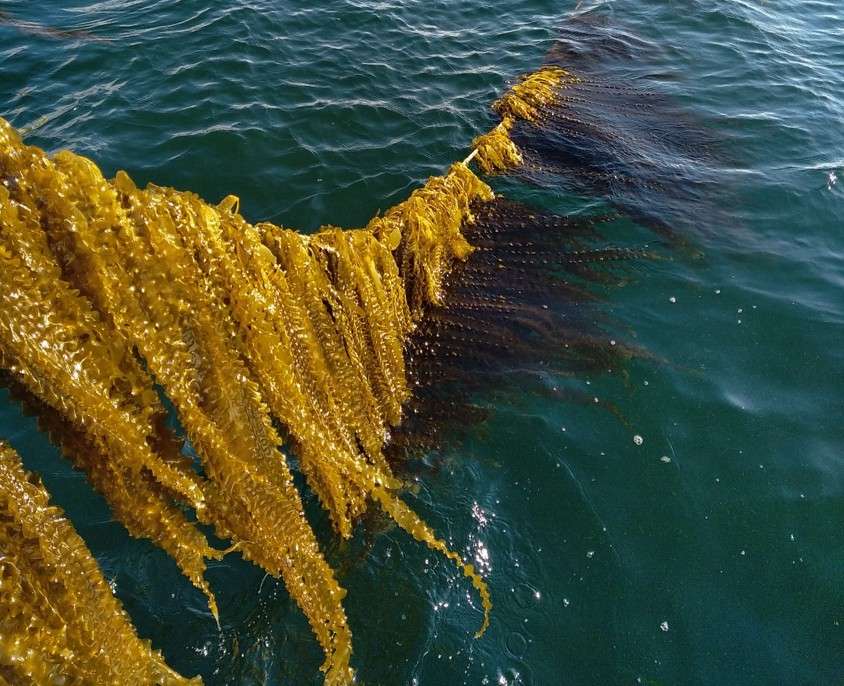
Macroalgae Seeding and Cultivation Techniques
Algal farming is a key challenge for the development of sustainable aquaculture. However, establishing production—whether at sea or in closed-loop systems—as well as the reproduction of the various species of interest require specific knowledge and technical expertise.
This training program will provide you with the necessary skills—through theoretical courses and hands-on exercises—to enable you to start your own macroalgae production.
More info
Are you interested in one of our micro-certifications? Would you like to talk to our team?
Contact us by email:
For more information, please visit our page dedicated to our training programs in Aquaculture, Aquaponics, and Aquariology.