Careers in Aquatic Life Sciences
Based at theSète Marine Station (Hérault), the University of Montpellier’s Continuing Education Department(formerly CREUFOP)has more than 40 years of experience in professional training for careers in the aquatic life sector.
Whether you're a beginner, an enthusiast, and/or a professional, our training programs are designed to support you with an accessible and constantly evolving range of courses.
We bring in scientific experts and professionals to train you, share their real-world experience with you, and thus provide you with up-to-date, practical, and directly applicable knowledge.
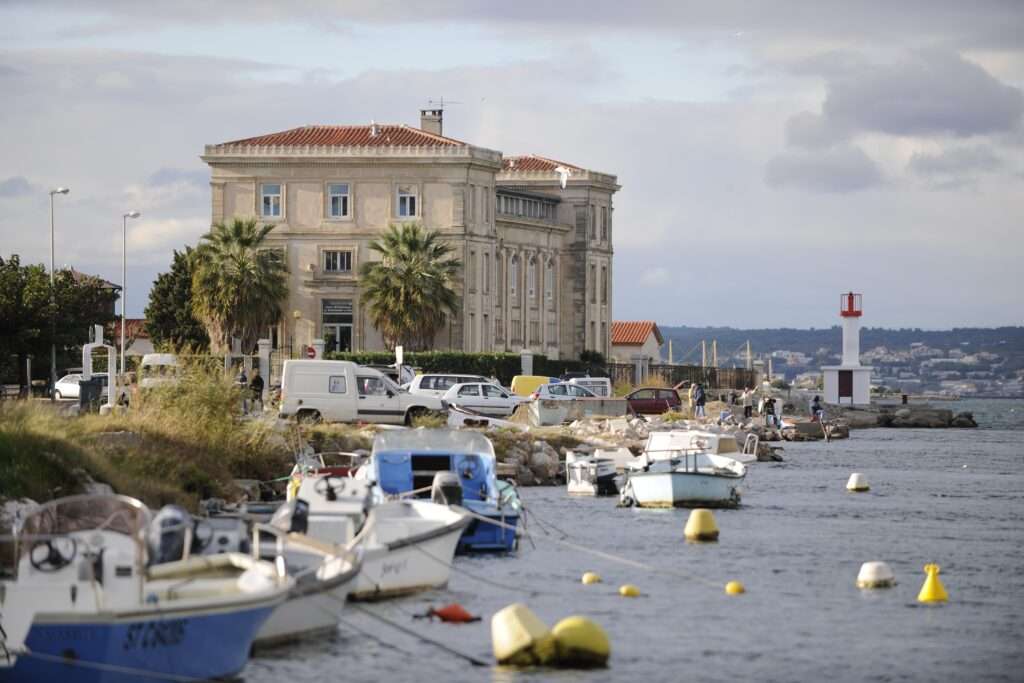
Table of Contents
- Training Opportunities
- Calendar
- Public
- Teaching Staff
- Educational Approach
- The station
- Testimonials
- Contact
TRAINING OFFER
Designed for anyone who wishes to acquire and/or enhance their expertise in the areas of livestock production, reproduction, animal welfare, or quality, safety, hygiene, and the environment (QHSSE), our training program is structured around four fundamental pillars:
- an understanding of the biology of aquatic organisms and their interactions with the physicochemical parameters of water;
- proficiency in professional techniques and procedures, from the design to the maintenance of structures, while ensuring animal welfare;
- a comprehensive overview of the industry and its professions, including issues related to quality and certification;
- knowledge and application of the regulatory framework and QHSE tools.
Flexible and diverse, it offers three types of training programs designed to meet your needs and goals:
- Short Courses
Organized over a few days, short training courses allow you to quickly acquire key skills in a specific subject area and thus quickly become more independent in applying them in practice. - Micro-Certifications
Micro-certifications provide quick and practical access to specialized skills in just a few hours (between 7 and 35 hours), as evidenced by the awarding of a certificate from the University of Montpellier. - Long-Term Programs
Our long-term programs—ranging from the University Diploma (DU) to the Professional Bachelor’s Degree—complement this catalog of short-term courses and micro-certifications with more in-depth programs.
In addition to this offering, we can design customized “à la carte” programs tailored to your specific needs.
For more information, contact us at sfc-aqua@umontpellier.fr.
Calendar
| MICRO CERTIFICATION | DATES |
|---|---|
| Phytoplankton/Microalgae Cultivation | September 28, 29, 30, 2026 |
| Zooplankton Culture / Live Prey | October 12, 13, 14, 2026 |
| Biology and Physiology of Fish Reproduction | October 27, 28, 29, 2026 |
| Design of a Recirculating Aquaculture System (RAS) | January 12, 13, 14, 2027 |
| Aquaponics as a Business | February 16, 17, 18, 2027 |
| Genetics, Domestication, and Strain Management in Aquaculture | February 23, 24, 25, 2027 |
| Techniques for Seeding and Cultivating Macroalgae | March 2, 3, 4, 2027 |
| Getting Started in Aquaculture: The Keys to Success | March 18, 2027 |
| SHORT-TERM TRAINING | DATES |
|---|---|
| Use of Aquatic Animals for Scientific Purposes – Applicant | April 12–23, 2027 (9 days of in-person instruction + 5 hours of online instruction) |
| Use of Aquatic Animals for Scientific Purposes – Designer | April 12–23, 2027 (10 days of in-person instruction + 11 hours of online instruction) |
Short courses and
micro-certifications by topic
Production of macroalgae, microalgae, and plankton; and larval rearing
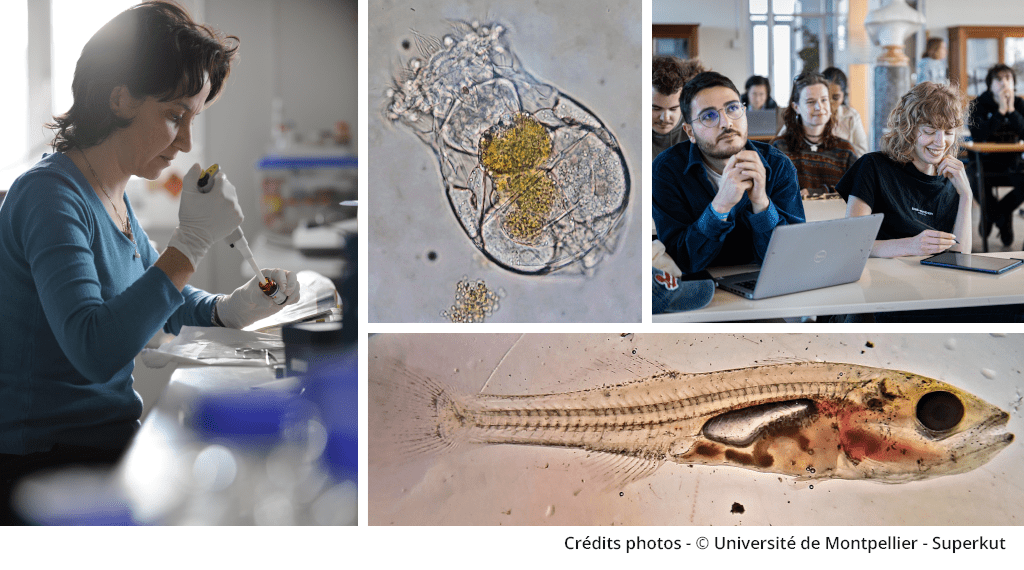
In marine hatcheries, plankton production is used to feed fish and crustaceans during the early stages of their life cycles. This process requires specific methodologies and infrastructure, which we have at our facilities.
Micro Certification – PHYTOPLANKTON / MICROALGAE CULTURE
Phytoplankton forms the basis of aquatic food chains. This 3-day course provides participants with the fundamentals of microalgae production in a controlled environment, as well as techniques for identifying samples collected from the natural environment.
Micro-certification – ZOOPLANKTON CULTURE / LIVE PREY
Zooplankton production is a key step in the larval rearing of many aquatic species. Live prey not only provides a complementary and balanced diet, but also serves as an essential enrichment for animal welfare, fulfilling several principles of the Five Freedoms of animal welfare.
This two-day training course will provide you with the essential fundamentals for producing live prey used in hatcheries, including hands-on exercises with Artemia (Artemia salina) and rotifers (Brachionus plicatilis).
MICRO CERTIFICATION – Macroalgae Seeding and Cultivation Techniques
Macroalgae constitute a major source of marine biomass and are central to the challenges facing the development of French aquaculture. This three-day training course, combining theory and practice focused on three iconic species found along our coasts—kelp (wakame), ulva, and porphyra (nori) —will provide the essential knowledge and skills needed to cultivate them, both at sea and on land.
Fish farming, aquarium science, aquaponics, and biofloc
Our aquaculture curriculum is based on a comprehensive, systemic, and environmental approach that considers the animal in the context of its rearing environment. To this end, we teach various types of production systems: closed-loop systems, aquarium science, biofloc systems, and aquaponics, which combines fish farming with plant cultivation.

MICRO CERTIFICATION – PROFESSIONAL ACTIVITIES IN AQUAPONICS
Aquaponics is a sustainable production system that harmoniously combines aquaculture and hydroponics. This 3-day training course is designed for anyone interested in learning the essential skills and techniques for the synergistic production of fish and plants. It provides participants with the foundational knowledge needed to get started with efficient and environmentally friendly aquaponic production.
MICRO CERTIFICATION – Biology and Physiology of Fish Reproduction
Fish reproduction is a major challenge in both aquaculture and aquarium keeping.
Based on an integrated approach that combines biology, physiology, and animal science, this course provides an understanding of the fundamental mechanisms of fish reproduction.
In this way, it provides the keys to mastering the entire reproductive process by optimizing biological performance and rearing conditions in a manner that is both practical and sustainable.
Micro Certification – Genetics, Domestication, and Line Management in Aquaculture
Tilapia is one of the most widely farmed fish in the world. This cichlid owes its success to its hardiness and high reproductive capacity, which have greatly contributed to its domestication worldwide.
Using tilapia as a model, this training course provides the essential theoretical foundations in genetics needed for the domestication of species and the preservation of strains.
This three-day course provides participants with the essential knowledge needed to successfully carry out a domestication process and ensure rigorous genetic management of populations, thereby guaranteeing optimal breeding conditions.
Regulations
To help professionals comply with the regulatory requirements related to their activities, we offer a series of mandatory training courses closely aligned with our business lines and our expertise in aquaculture. These courses incorporate requirements related to animal welfare to support industry stakeholders in implementing practices that are compliant, responsible, and in line with current standards.
Training on how to prepare an application package for a “capacitaire” permit for non-domestic animals
The Certificate of Competencyis a mandatory document for anyone responsible for a facility that breeds, sells, or displays to the public* non-domestic animals. This certificate ispersonaland is obtained by submitting an application to theprefect of the departmentwhere the applicant resides.
Compiling the file requires asignificant amountof individual effort and demandssolid knowledgeandpractical experiencewith the animals in question.
To support applicants through this process, theContinuing Education Departmentoffers a“customizable” program designed to help them prepare their application and present it to the selection committee. This program includes:
- Regulations
- Biology
- Livestock Housing and Animal Welfare
- Hands-on trainingin our technical facilities
Important: This training program is designed to provide support and cannot, under any circumstances, replace the candidate’s own work or commitment to the process of obtaining the certificate. The responsibility for success rests entirely with the candidate.
* Applies to a total presentation volume not exceeding 10 m³.
Every situation is unique: contact us to design content and an organizational structure tailored to the needs and constraints of the candidate seeking the certificate of competence.
Contact:
Gérard SPOSITO
gerard.sposito@umontpellier.fr
04 67 74 45 03 | 06 87 91 47 15
Short Course – Use of Aquatic Animals for Scientific Purposes – Practitioner
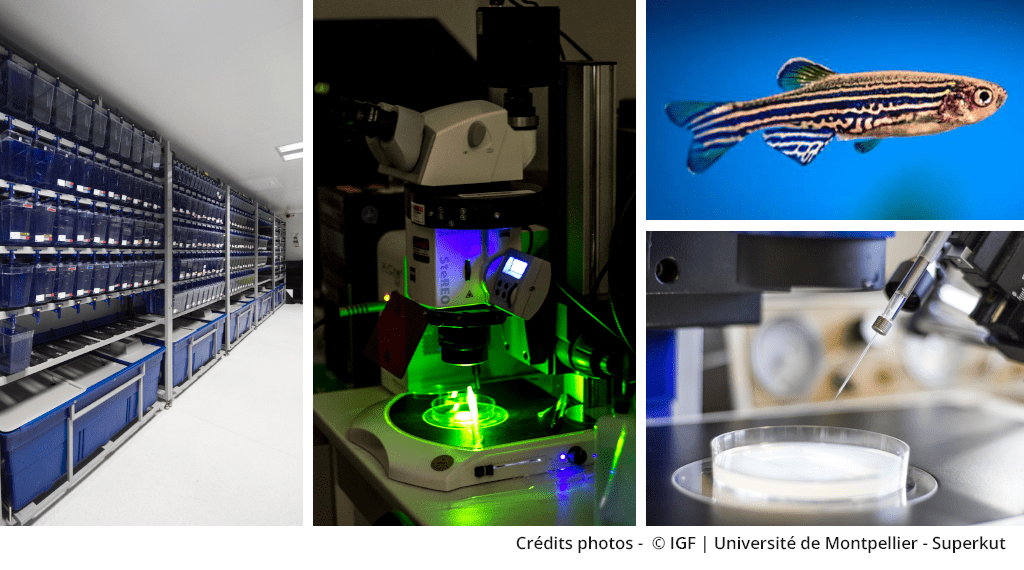
Aquatic animals play a vital role in a wide range of scientific research. Their use contributes to major advances in various fields, such as biomedical research, environmental studies, ecotoxicology, wildlife monitoring, and conservation biology.
In accordance with Decree No. 2013-118 of February 1, 2013, which transposes European Directive 2010/63/TU into French law, any person involved in experimental procedures on these animals must complete specific training.
This training program aims to teach best practices in animal ethics and welfare, while developing the skills needed to work in a manner that respects animals and complies with current regulatory standards.
Short Course – Use of Aquatic Animals for Scientific Purposes – Course Designer
Aquatic animals play a vital role in a wide range of scientific research. Their use contributes to major advances in various fields, such as biomedical research, environmental studies, ecotoxicology, wildlife monitoring, and conservation biology.
In accordance with Decree No. 2013-118 of February 1, 2013, which transposes European Directive 2010/63/TU into French law, any person involved in experimental procedures on these animals must complete specific training.
This training program aims to teach best practices in animal ethics and welfare, while developing the skills needed to work in a manner that respects animals and complies with current regulatory standards.
Cross-Functional Skills
To ensure its long-term viability, aquaculture requires complementary skills. We are committed to supporting the development of an environmentally responsible, sustainable, and prosperous aquaculture industry. To that end, we offer a series of short training courses covering cross-disciplinary knowledge related to the aquaculture sector.
MICRO CERTIFICATION – Design of a Recirculating Aquaculture System (RAS)
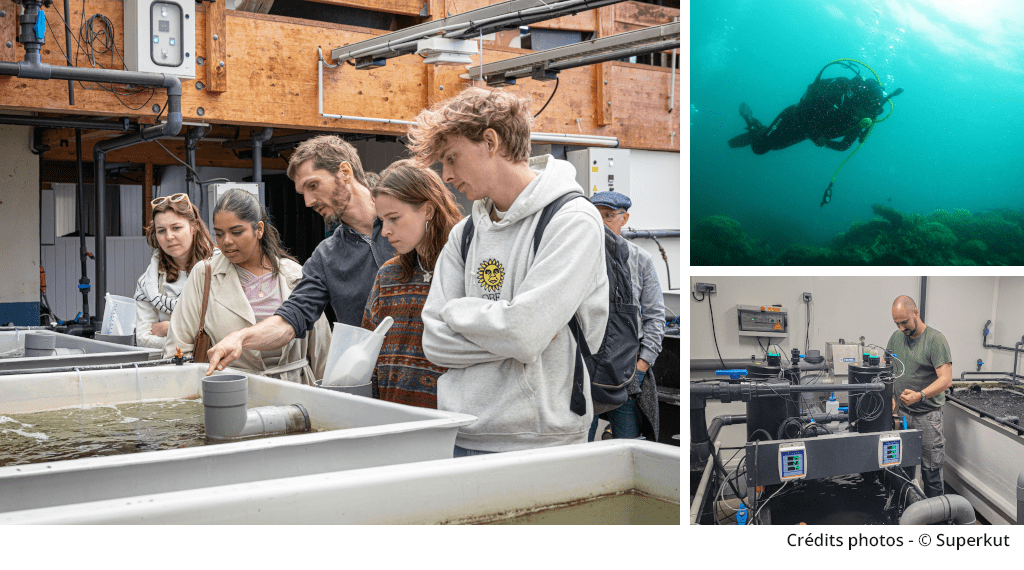
A recirculating aquaculture system (RAS ) is a set of water treatment components that enable the reuse of water in fish farming. This 3-day training course provides an understanding of the components of an RAS and an introduction to its design.
MICRO CERTIFICATION – Starting an Aquaculture Business: The Keys to Success
Starting a career in aquaculture means taking on two roles at once: that of an aquaculturist and that of an entrepreneur.
With the expertise of Le Paysan Marin, spend a day immersing yourself in the reality of running a business and explore all aspects of your future career.
From the initial concept to putting together a team and structuring the project, this training course provides you with the keys to each step as well as the essential resources you need to move forward.
Come with an idea, and leave with a solid, well-structured presentation.
Long-term training programs
University Diploma – Technician Specializing in Aquaculture, Aquariology, and Aquaponics
A university degree equivalent to two years of post-secondary education. This 700-hour program provides students with the knowledge in biology, animal husbandry, the physical and chemical properties of water, and infrastructure necessary for managing an aquaculture operation.
Professional Bachelor's Degree – Quality, Hygiene, Safety, Health, and Environment (QHSSE), with a specialization in Resource Management, Fisheries, and Aquaculture (ValPêA)
The ValPêA training program—Fisheries and Aquaculture Value Creation (450 hours)—is designed for professionals in the fisheries, aquaculture, and processing sectors who wish to advance into QHSSE roles.
Its goal is to enable them to master the fundamentals of quality, hygiene, safety, health, and the environment; to understand the specific challenges facing the aquatic products industry; and to gain a comprehensive understanding of the sector in order to implement quality, labeling, and certification initiatives.
Designed for students with two years of post-secondary education and professionals already familiar with these fields, this program aims to strengthen QHSSE skills and contribute to the development of the French fishing and aquaculture industries.
Public
Open to the general public, our training programs are designed for both beginners looking to explore careers in the aquatic life sector and professionals seeking to specialize, update their knowledge and skills, or develop new ones.
TEACHING STAFF
To ensure high-quality training that is closely aligned with the realities and evolving trends of the sector’s professions, our training programs are designed and led by teams of experts from the professional world.
Through this approach, we prioritize hands-on, practical learning and a teaching methodology that fosters professional networking with industry stakeholders to strengthen our students’ transition into the workforce.
Educational Approach
Our training programs are designed around a cross-disciplinary approach that combines theoretical knowledge with immersive, “hands-on” learning.
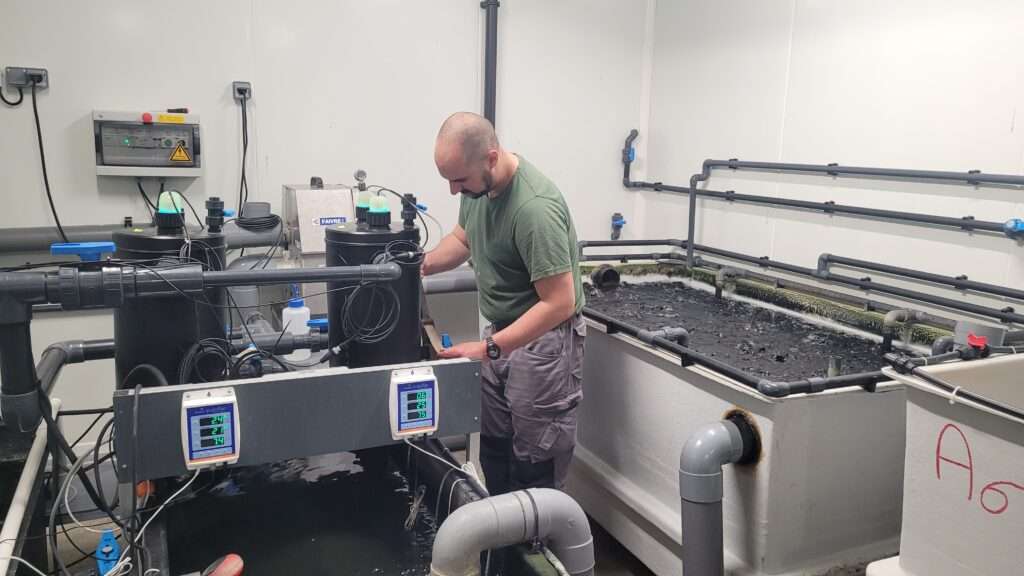
We promote hands-on learning, particularly through supervised practical work in specialized facilities: microalgae, zooplankton, larval rearing, aquarium science, and aquaponics.
THE MARINE STATION AND ITS FACILITIES
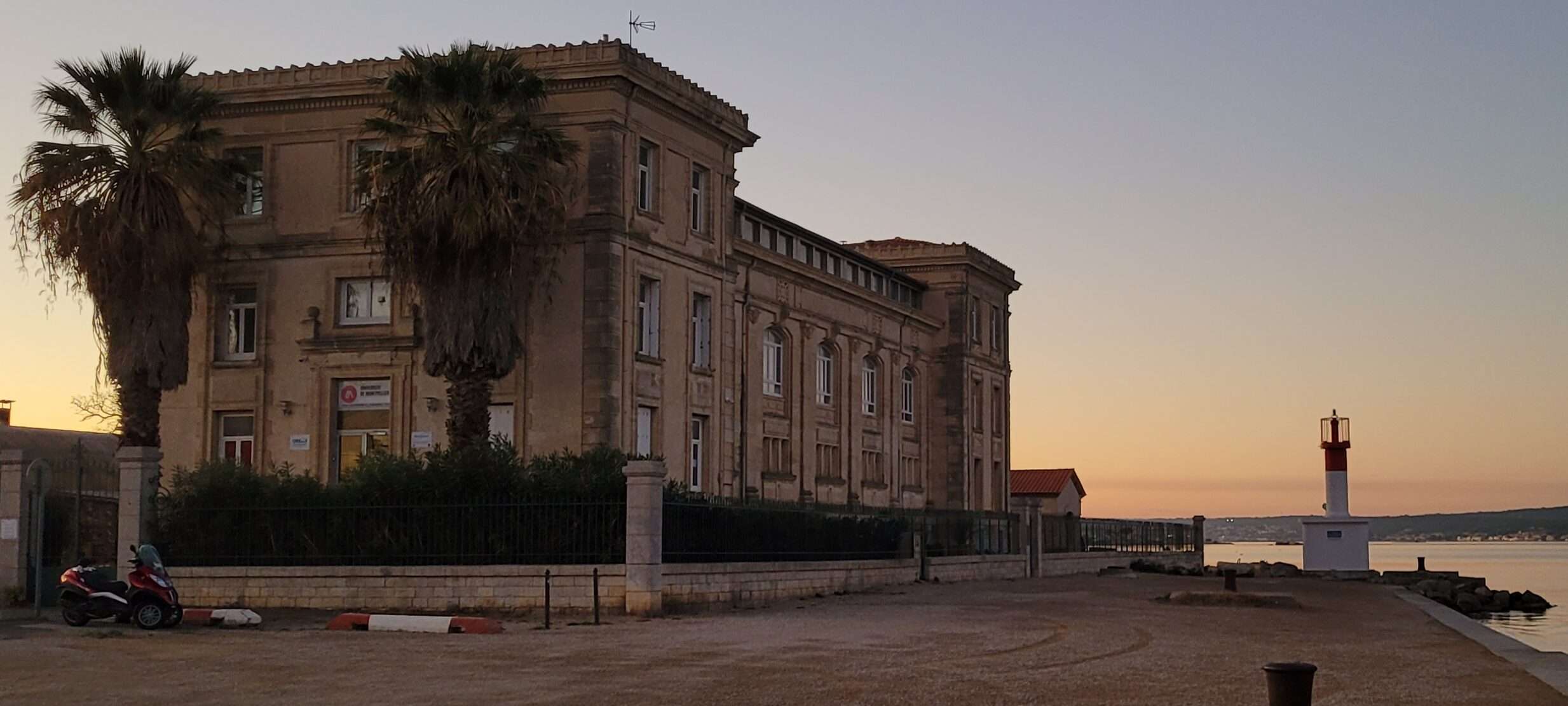
All of our training programs in the field of aquatic life are offered at the Sète Marine Station, a port city and a major center for aquaculture known for its maritime heritage and the promotion of seafood products.
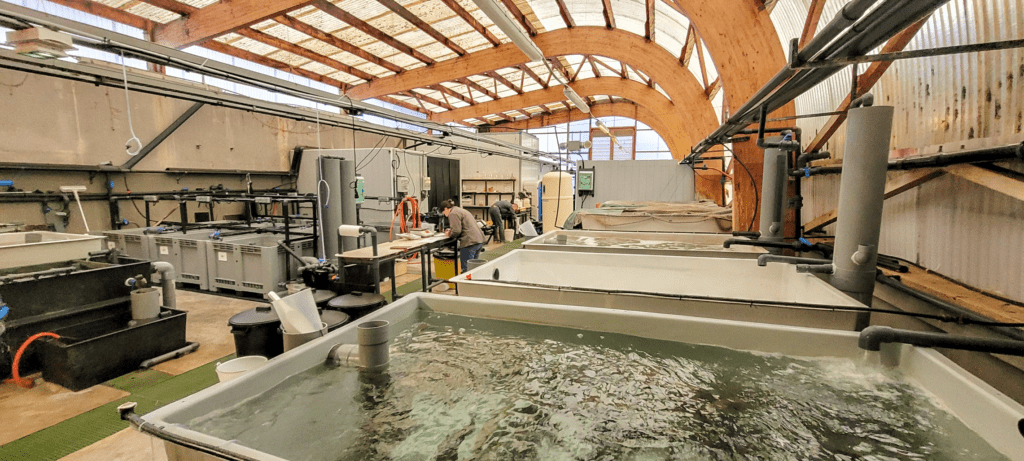
Featuring a 500-square-meter hall, an aquaponics system, an aquarium room, and specialized facilities, the Sète Marine Station offers a stimulating work environment where various aquatic species are raised and cultivated according to the food chain model, from microalgae to adult fish weighing several kilograms.
Testimonials
Choosing the University of Montpellier’s Continuing Education Department to study aquaculture, aquarium science, or aquaponics at the Sète Marine Station is much more than just earning a degree: it’s the start of a real career path in France and abroad.
In this section, we feature our alumni, each with their own unique backgrounds and career paths. They share their experiences during and after the program: acquiring practical skills, achieving their career goals, and discovering new opportunities…
Check out their profiles:
Mélanie CHAVANON
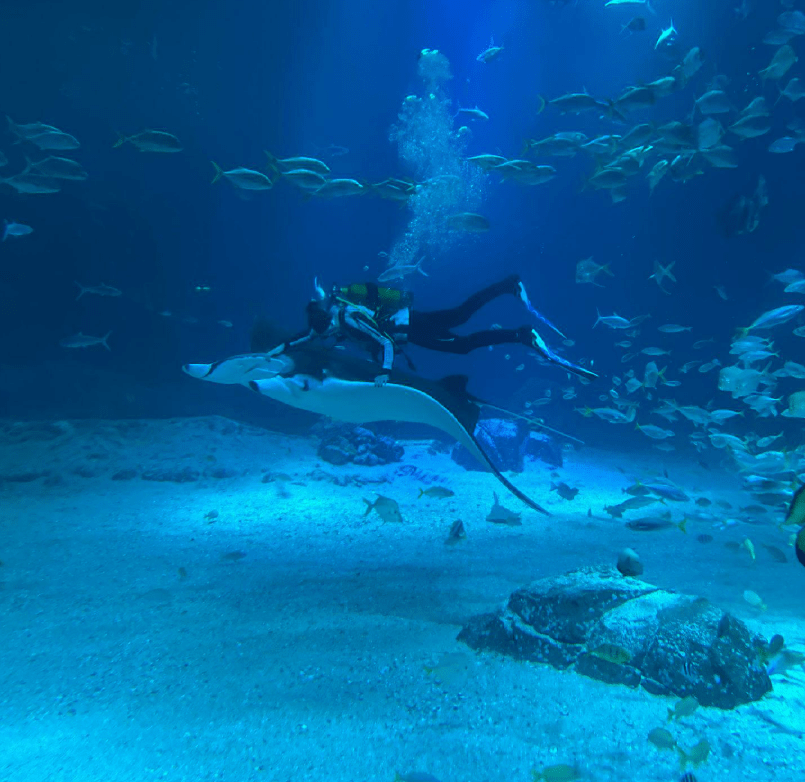
Diver-caretaker at the Nausicaà Aquarium in Boulogne-sur-Mer
Ever since I was a little girl, my dream has always been to work with marine animals—and more specifically, to become an animal caretaker.
I took the TS3A (formerly TSA) university diploma as part of a continuing education program because this format met my expectations. I was really eager to enter the workforce, gain experience directly “in the field,” and meet professionals in the industry.
During the training, I had the opportunity to meet the training supervisor at the Nausicaà Aquarium. He was interested in my background and advised me to earn my professional diving certification, which I did, and I was hired as a diver-caretaker at Nausicaà—a position I still hold today.
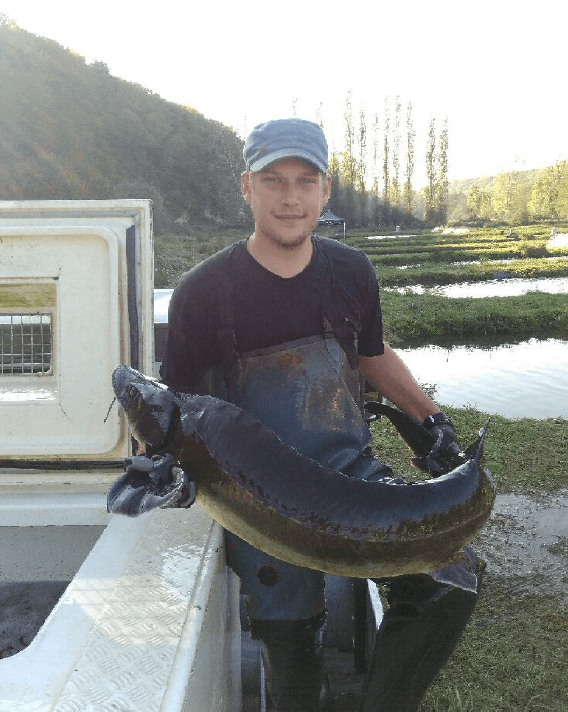
Alexis SIEDLACZEK
Expert Consultant in Recirculating Aquaculture and Aquaponics
When I enrolled at the University of Montpellier, I wanted to gain a diverse range of skills that I could apply directly in the workplace.
During the training program, I completed my first project as a design firm, which involved installing an aquaponics system for an eco-lodge in Myanmar.
I have continued to develop this consulting and research business ever since.
I support my clients in bringing their aquaculture or aquaponics projects to fruition by providing not only my technical expertise but also a structured project approach and a solid understanding of the economic realities specific to this type of project.
JULIEN LOUBET
Head of the Aquariology Division at the Biodiversarium, Banyuls Oceanographic Observatory (OOB), Sorbonne University
I enrolled in the TS3A university diploma program (formerly TSA) to train as an aquarist specializing in public aquariums.
I chose the University of Montpellier because of its admission requirements and the program’s curriculum, which is based on lab work and input from professionals.
Every year, I return to the SMEL (Coastal Environment Marine Station) with a sense of nostalgia to teach courses on aquarium science.
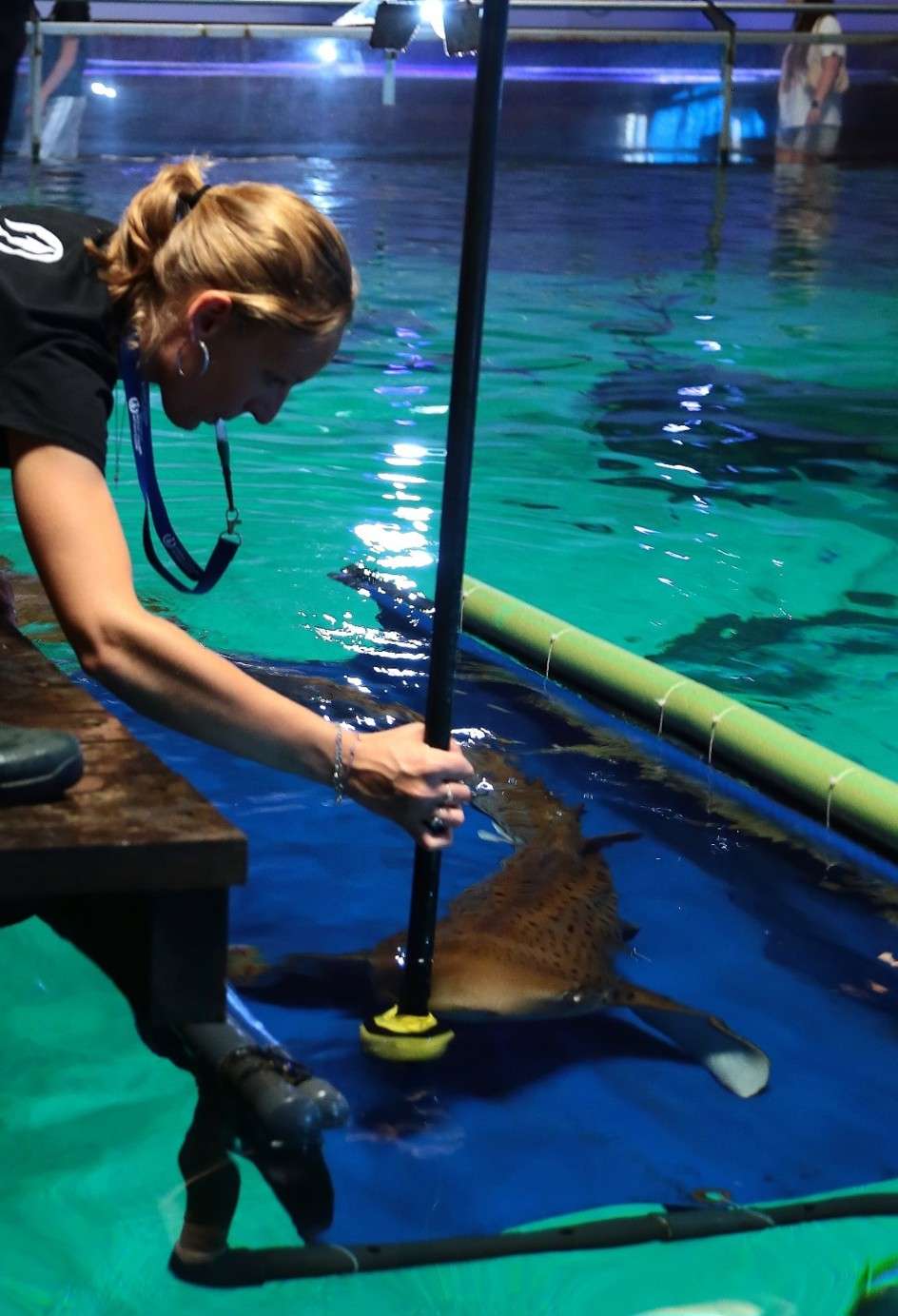
Amelie Remy
Aquarium Technician at the Seaquarium in Le Grau-du-Roi
Before changing careers, I worked as a laboratory technician for 6 years. I worked in a hospital’s hematology lab, where I performed blood tests.
I wanted a change in my life and to get closer to my passion: the marine environment.
The TS3A certificate program (formerly TSA) met my expectations with its short duration, hands-on training, and internship.
I completed my internship at an aquarium. I was lucky enough to arrive at a time when the team was expanding; I was hired on a fixed-term contract after my internship, and I currently have a permanent contract at the same place.
Cyrille Przybyla
Researcher in sustainable aquaculture at Ifremer in Palavas and member of the MARBEC Joint Research Unit
I enrolled in the TS3A university diploma program (formerly TSA) in September 1997 at the age of 30.
At the time, I was a department manager at a large sporting goods store, and I dreamed of switching to a job that took place outdoors, one connected to the Mediterranean and in tune with the seasons.
The world of marine biology and fish was completely new to me.
I recently came across the notebook where I used to write down the words I didn’t understand every day so I could look them up in the dictionary that evening (the internet didn’t exist back then). Caudal, trophic, otolith… it made me smile!
After completing my training, I went on to do a series of internships and fixed-term contracts, and then I landed a position at Ifremer under the 35-hour workweek law. I worked for 10 years as a “senior aquaculture technician,” and then, at age 42—after earning a bachelor’s degree in “biology and biochemistry” through evening classes—I earned my master’s degree in “aquatic bioresources” and defended my dissertation in “marine sciences” 12 years later.
Looking back today, I realize that this program provided the foundation of knowledge that enabled me to transition into a science-oriented field and pursue this fulfilling career in marine biology.
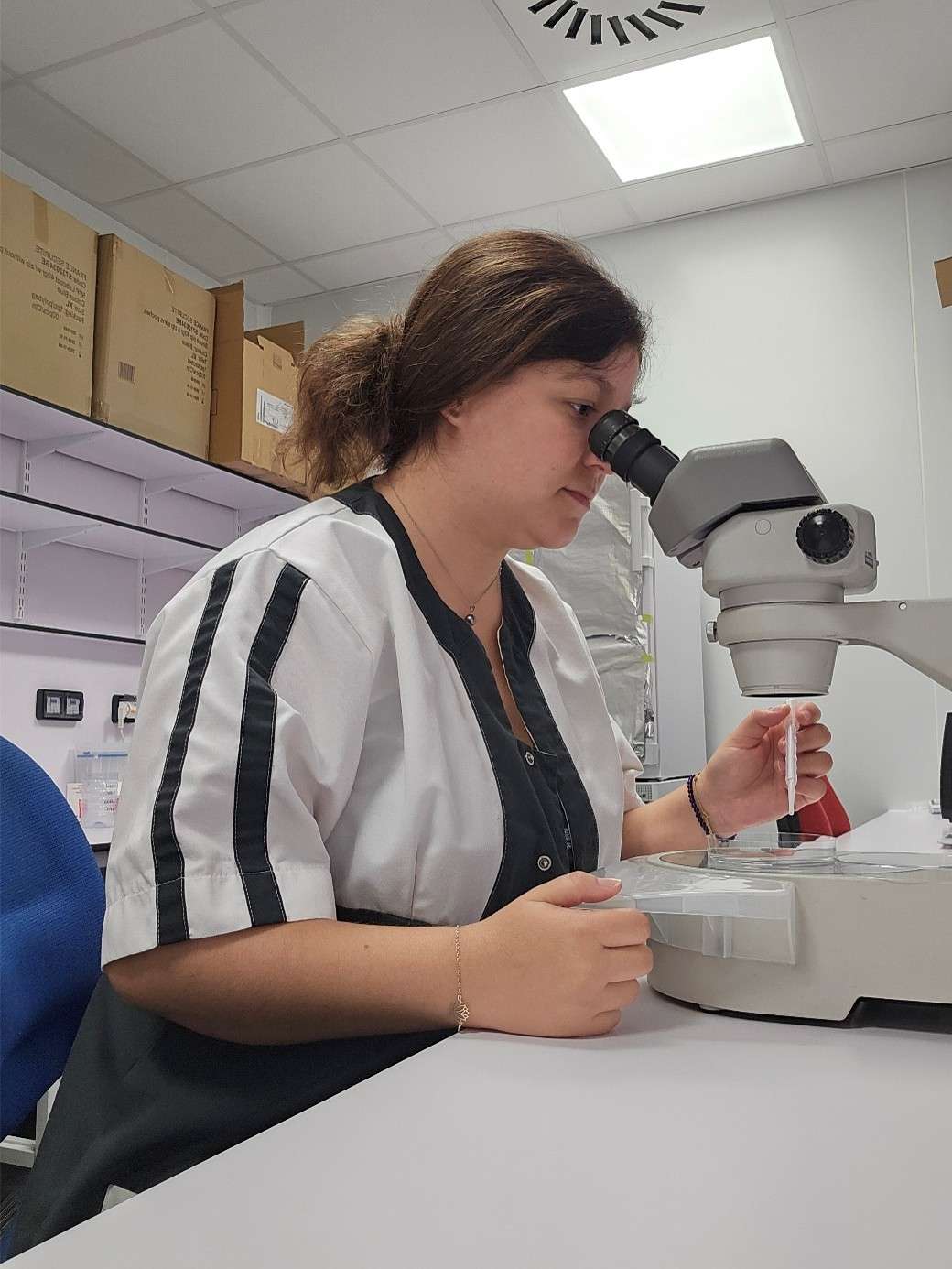
Carine Morgado
Animal scientist at an aquatic research facility at the CNRS.
With a BTSA in Animal Production, I worked as a farm laborer and then as an animal breeding specialist at the livestock division of the Toulouse School of Veterinary Medicine.
I then decided to specialize in fish, since I’m passionate about aquariums.
During a visit to the Biodiversarium in Banyuls, I decided to take the plunge and look for a training program that would give me the skills I needed to work in the aquatic environment.
The TS3A certificate program (formerly TSA) was a good fit for my career plans; I initially wanted to become an animal husbandry specialist at a public aquarium.
After completing the training program, I submitted several applications—some unsolicited—and kept an eye on various job sites, and eventually found a job posting for a zootechnician at the CNRS.
So today I work at a platform that brings together several research teams working on various projects using different models (zebrafish, Xenopus, and Hemigrammus).
This was an incredible experience; the teaching staff is attentive and supportive. The selection of guest speakers was very well-chosen—they all had very diverse backgrounds. And that’s a real asset when it comes to building a professional network.
Contact
To enroll in one of our training programs or to learn more about our personalized support options, contact our team of aquaculture experts: sfc-aqua@umontpellier.fr